NINGBO CHANGLI AUTOMATIC APPLIANCE CO., LTD.

A Foam Spraying Electric Brush really helps make your regular cleaning a bit more manageable. It’s not just your average scrubbing tool — it combines a powered brush with a foam dispenser, so you can apply your cleaner directly while scrubbing things like tiles, grout, or sinks. But honestly, how well it works depends on more than just motor speed. Things like the shape of the brush head, how much foam it spits out, how comfy the grip feels, battery life, and even how easy it is to get into tight spots all play a part. Those little details actually matter way more than you'd think.
This guide looks at seven different options, primarily focusing on what really counts — stuff like whether the brush head can reach those tight corners, if the spray's easy to control, and whether the handle stays comfortable during longer cleaning sessions. It’s also good to double-check if replacement heads are available, look into the specs, and see what kind of support the seller offers. Keep in mind, these things can vary widely depending on the model and where you’re shopping. So, don’t just go by pretty product photos — dig a little deeper.
As a rule of thumb, a good cleaning tool should strike a balance between reaching those tricky spots, offering good control, and being easy to take care of. That’s a bit of wisdom I’ve picked up — not a strict quote, but a solid guideline for comparing different electric brushes. Remember, no single model is perfect for everyone. Things like the foam texture, the surface you’re cleaning, and your personal habits can totally change how effective or enjoyable the tool is. It’s worth giving this some thought.
So, the picks listed here are meant to give you a practical starting point. They shouldn’t replace a careful check of current product details and what the seller claims — always do your due diligence. Happy cleaning!

A foam-spraying electric brush combines a powered rotating brush head with a small reservoir and spray outlet. The user adds a compatible cleaning solution and water, then directs foam onto a surface while the bristles scrub. On a tiled shower wall, for example, foam can cling around grout while the moving head works across the area. It is a cleaning tool, not a substitute for choosing a suitable solution or checking surface-care instructions.
The 2024 Grand View Research report on the global household cleaning products market estimated its 2023 value at about USD 247.5 billion. That figure covers cleaning products broadly, not electric brushes. It does, however, show the scale of demand for everyday cleaning solutions. Buyers should compare practical details: brush-head shape, refill access, battery runtime, water resistance, and replacement-part availability. A strong motor alone proves little. Foam may also hide missed spots, and some surfaces need less abrasion than users expect.
Tips: Test the brush on a small, hidden area first. Use modest pressure and keep the spray nozzle aimed at the work surface. Rinse the head after use, then let it dry fully. One limitation remains: foam thickness varies with the cleaner, dilution, and spray design, so advertised results may not match every household.
An Auto-Foam Spraying Electric Brush combines a small motor, liquid pump, air inlet, and rotating head. The motor spins bristles or a scrub pad. Meanwhile, the pump moves diluted cleaner toward a narrow nozzle. Air enters through a venturi channel or mixing chamber. The liquid then breaks into fine bubbles.
It feels simple. It is not.
Foam quality depends on liquid viscosity, air volume, nozzle size, and battery power. A thicker solution may produce dense foam but can restrict the pump. Too much water creates thin foam that runs quickly. Grand View Research reported that the global household cleaning products market exceeded USD 240 billion in 2023. That scale encourages more automated tools, yet market size does not prove cleaning performance.
In practical use, foam should cling briefly to a vertical tile, like a soft white layer. The brush then spreads and agitates it across grout lines. The operator still controls pressure and contact time. The U.S. EPA’s 2023 Safer Choice Standard emphasizes safer chemical ingredients and responsible product formulation. Users should still check dilution instructions and rinse surfaces carefully. Small nozzles can clog. Battery indicators can also be optimistic. Mine would need clearer testing.
| Brush Configuration | Foam Delivery | Brush Setup | Typical Power | Best Suited For | What Buyers Should Check |
|---|---|---|---|---|---|
| 1. Compact handheld foam brush | A small onboard reservoir or bottle feeds diluted cleaning solution to a spray outlet. | Short handle with a compact rotating brush head. | Rechargeable battery or replaceable batteries, depending on the design. | Small cleaning jobs, spot cleaning, and users who prioritize portability. | Reservoir capacity, refill access, grip comfort, and whether the brush head is replaceable. |
| 2. Long-handle vehicle wash brush | A solution tube or hose carries diluted detergent to outlets near the brush head. | Extended handle helps reach roofs and other high surfaces. | Usually a rechargeable motor; the foam feed may be manual, pump-driven, or water-pressure-assisted. | Cars, vans, and other large exterior surfaces that are awkward to reach with a short brush. | Handle locking strength, hose routing, head angle, and compatibility with the intended water supply. |
| 3. Interchangeable-head cleaning brush | A spray nozzle applies foam ahead of or around the brush head. | Detachable heads can include soft bristles for broad surfaces and smaller heads for detail work. | Typically a rechargeable electric motor. | Buyers who need one powered handle for several cleaning tasks. | Head attachment security, availability of replacement heads, and suitability of each bristle type for the surface. |
| 4. Soft-bristle paint-safe wash brush | Foam is delivered through a nozzle or feed channel to lubricate the cleaning surface. | Soft, flexible bristles are intended for delicate exterior surfaces. | Battery-powered rotation; speed controls vary by product design. | Vehicle paintwork and other surfaces that could be marked by stiff bristles or trapped grit. | Bristle softness, cleanability, head-edge design, and instructions for rinsing grit away before brushing. |
| 5. Wide-head surface brush | A broad spray pattern or multiple outlets spread cleaning solution across the working area. | Wide brush head covers more area per pass than a compact detail head. | Rechargeable motor; larger heads may require more power to maintain rotation under load. | Broad, relatively flat surfaces such as exterior panels and washable outdoor surfaces. | Head width, motor performance under pressure, even foam coverage, and ease of rinsing the head. |
| 6. Angled-head reach brush | A nozzle or solution channel directs foam toward the brush face. | An adjustable or fixed angle helps reach corners, lower panels, and awkward surfaces. | Usually battery-powered; the foam system may operate independently of the brush motor. | Areas that are difficult to reach with a straight handle, including wheel arches and lower surfaces. | Angle-lock strength, balance while extended, clearance around the target surface, and nozzle direction. |
| 7. Pump-assisted foam brush | An electric pump moves diluted solution from a reservoir to a spray outlet; the brush motor rotates the head. | May use a compact or extended handle with a dedicated foam feed. | One or more battery-powered components; check whether the pump and brush share a battery. | Buyers seeking more consistent solution delivery without relying solely on a manual trigger. | Pump cleaning instructions, flow control, leak resistance, battery runtime under combined use, and detergent compatibility. |
How foam-spraying electric brushes work: The brush motor turns the cleaning head, while a separate solution path delivers diluted detergent. Foam is formed as the solution is mixed with air at a nozzle or foaming outlet; the motor itself does not necessarily create the foam. Actual features vary by design, so check the product instructions for detergent dilution, surface compatibility, and cleaning requirements.
When comparing foam-spraying electric brushes, check how the spray is controlled. A trigger should release foam steadily, not in sudden bursts. Test whether the nozzle reaches narrow seams and curved surfaces without soaking nearby areas. Small details matter.
Battery life and charging options affect daily use, especially where outlets or compatible adapters vary. Compare the stated runtime with the time needed for a typical cleaning task. A clear battery indicator helps prevent interruptions. Also inspect the handle: textured grips feel steadier with wet hands, while excess weight can tire your wrist. Not glamorous, but important.
Brush heads deserve close attention. Replaceable Brush Heads Electric Brush models can suit different surfaces, but head changes should feel secure and simple. Check whether the bristles are firm enough for stubborn residue yet gentle enough for delicate finishes. Foam tanks should detach easily for rinsing, and seals should resist leaks when the brush is stored on its side. Read the care instructions carefully; I have found that buyers sometimes overlook drying time, then wonder why the brush smells stale. That is easy to miss. Compare noise, warranty coverage, and spare-part availability too, since service options differ by market. A low price may look appealing, but unavailable replacement heads can make it a poor long-term choice.
Seven foam-spraying Electric Brushes serve different cleaning routines. A compact handheld model fits sinks and narrow corners. A long-handle brush reaches shower walls without constant bending. A soft-bristle version suits delicate surfaces, while a medium-bristle head tackles dried soap near taps. For grout lines, a slim detail brush concentrates foam in tight spaces. A wide-head brush covers tiles faster. A rotating-head model helps maintain steady contact on larger surfaces. Choices vary, and no single design suits every home.
Global buyers should compare battery type, charging method, replacement-head availability, and instructions before ordering. Check whether the foam container is easy to remove and rinse; residue can dry around its nozzle. Small detail. Also inspect how securely the head locks into place. An Electric Brush that feels balanced in the hand may be more useful than one with many settings. Test foam flow on a small, inconspicuous area, since finishes and detergents differ. Product specifications do not always reflect a wet bathroom grip. That part deserves more attention. I would also ask suppliers for clear material details and care guidance, though these can be incomplete. A little uncertainty remains.
How to compare: The chart presents an illustrative 100-point decision framework, not survey results or product-test measurements. Adjust the weights to reflect your market, cleaning tasks, and purchasing priorities.
Choosing an Electric Spin Brush starts with the surface, not the advertised speed. For shower grout, look for a narrow head that reaches corners and bristles firm enough to lift soap residue. Use softer bristles on acrylic, coated fixtures, and car interiors; test a hidden patch first. A heavy brush may clean well but tire your wrist during a long session. Small detail, big difference.
Check the handle, battery runtime, head replacements, and water-resistance rating before buying. Grand View Research valued the global cleaning services market at about $415.9 billion in 2023, reflecting demand for efficient cleaning across homes and workplaces. That figure does not prove one brush suits every task; it does show why durability and ease of maintenance matter to frequent users. Ask whether replacement heads are available where you live. A low purchase price can become inconvenient if the head wears out and cannot be replaced.
For daily bathroom use, choose a comfortable grip and a head you can rinse clean. For occasional tile work, extra attachments may matter less than dependable battery life. Read the care instructions, and avoid soaking a unit unless its rating permits it. I would still compare the brush in hand when possible; product specifications rarely capture how awkward a handle feels.
A foam-spraying electric brush works best when the surface is free from loose dust and heavy grease. I usually test the foam on cardboard before cleaning a visible area. This reveals whether the mixture is too thin or too thick. Add cleaning solution only as directed by the tool manual. Excess liquid can weaken foam quality and may strain the motor. Keep the brush moving slowly, using overlapping passes. Avoid pressing hard. The bristles should work, not your arm.
Tips: Charge the battery fully before use. Check the nozzle for dried residue. Wear eye protection and suitable gloves. Use ventilation when applying cleaning chemicals. Never point the spray toward people, electrical sockets, or delicate openings. A small test patch prevents expensive mistakes.
After use, empty the container and rinse it with clean water. Run the brush briefly, if the manual permits, to clear the internal path. Remove the brush head and wash it separately. Let every part dry completely before storage. I once stored a damp head overnight, and the bristles became stiff the next day. That mistake was avoidable. Inspect the seal, filter, and charging port regularly. Replace worn parts with approved specifications, rather than forcing temporary repairs. Keep the device away from heat and direct sunlight.
China’s cordless floor washer sector is gaining attention as consumers and commercial buyers seek faster, more hygienic cleaning equipment. IMARC’s *Floor-Cleaning Machines Market Report, 2024–2032* identifies cordless operation, smart automation, and demand for compact multifunctional appliances as important growth drivers during the forecast period. These trends support China’s role as a major sourcing base, offering extensive manufacturing capacity, component integration, and OEM/ODM flexibility for overseas distributors.
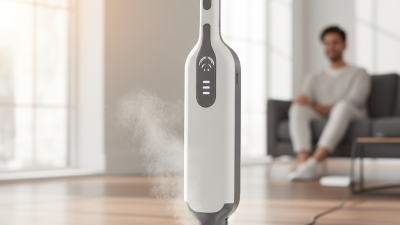
The recommended cordless floor washer combines vacuuming, scrubbing, and mopping in one electric appliance. Its rolling brush is designed to collect debris while washing hard floors, reducing the need for separate cleaning steps. A self-cleaning cycle automatically rinses the brush and manages wastewater after use, helping maintain operating performance and simplify routine maintenance. The product is particularly suitable for households with pets, children, or frequent floor-cleaning needs.
For sourcing, buyers should evaluate battery capacity, brush durability, water-tank design, noise levels, charging time, and cleaning efficiency through sample testing. The integrated UV sterilization function is promoted to eliminate up to 99.7% of germs, although performance should be verified through independent laboratory testing and documented technical reports. China-based factories with automated assembly, incoming-material inspection, aging tests, and final quality control can provide a more reliable supply chain for private-label and regional distribution projects.
Check for a steady stream rather than sudden bursts. Test narrow seams and curved surfaces to see whether the nozzle avoids soaking nearby areas.
Compare the stated runtime with the time your usual task takes. A clear battery indicator can help prevent interruptions.
Match the bristles to the surface. Firm bristles can lift stubborn residue, while softer ones suit delicate finishes. Test a hidden patch first.
A textured grip can feel steadier with wet hands. Consider the weight too; a heavy brush may tire your wrist.
Choose a tank that detaches easily and seals securely. Rinse it after use, follow the drying instructions, and do not rush that step.
Not necessarily. Choose by surface and access: a narrow head may reach shower grout more effectively than a faster, wider head.
Use softer bristles and test a hidden area first. Delicate finishes can be marked more easily than expected.
They may help with varied tasks, but occasional tile cleaning may call for reliable battery life instead. Your needs can be easy to misjudge.
Replacement heads may not be available everywhere. A low purchase price can become inconvenient when the original head wears out.
Noise, warranty coverage, charging options, and water-resistance ratings all matter. Product specifications may still miss how awkward a handle feels in your hand.
A Foam Spraying Electric Brush combines powered scrubbing with controlled detergent application, helping users clean surfaces more efficiently with less manual effort. It typically uses a rechargeable motor to rotate or vibrate a brush head while a built-in container or spray system releases diluted cleaning solution. When comparing models, global buyers should consider battery life, charging method, motor performance, spray control, brush-head options, water resistance, handle comfort, noise level, durability, and the availability of replacement parts.
The seven recommended types in this guide are designed for different cleaning needs, including bathrooms, kitchens, floors, windows, vehicles, and hard-to-reach areas. Choosing the right brush depends on the surface, cleaning frequency, required runtime, and preferred accessories. For safe and effective use, fill the reservoir with a suitable diluted solution, select the correct brush head, avoid excessive pressure, and rinse the device after use. Regularly cleaning the spray nozzle, drying the attachments, and charging the battery correctly can help maintain performance and extend the product’s service life.