Picking out the best vacuum for your home in 2026 isn’t exactly a walk in the park. The market’s pretty crowded these days, with big names like Dyson, Shark, and Bissell all vying for your attention. Each brand's got its own set of features, but honestly, not every one will fit your particular home setup.
When you're shopping around, it’s good to think about what you really need. Do you have pets running around? If so, a model with powerful suction and a HEPA filter might be your best friend. Running out of space? Look for something compact that’s easy to store. It’s also super helpful to check out reviews from other folks—those real-life experiences can tell you a lot about how reliable a vacuum really is.
Sometimes, you might come across products that are a bit overrated or just don’t have the all-important features you’re after. The trick is balancing price and performance—lower-cost models can sometimes surprise you and do just as well, if not better, than the more expensive options. Doing a bit of research on specs and reading customer feedback can really help you make a smarter choice without the hassle.
Understanding Vacuum Cleaner Types: Upright, Canister, and Robotic
When choosing a vacuum cleaner, understanding the types available can simplify your decision.
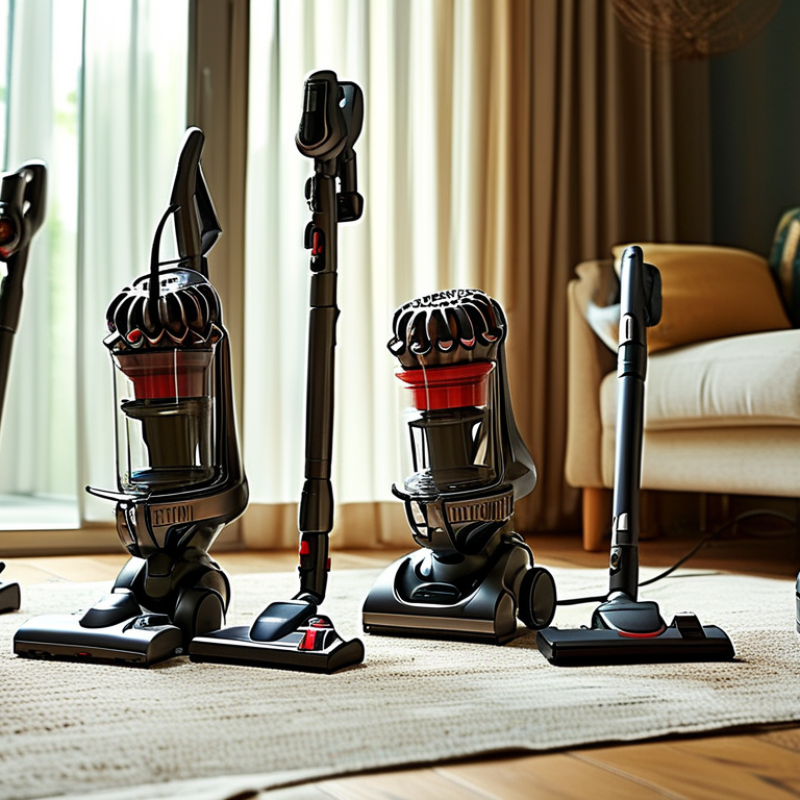
Upright vacuum cleaners are popular for their powerful suction. They are great for deep cleaning carpets. However, they can be heavy and difficult to maneuver in tight spaces. Consider your home layout before opting for this style.
Canister vacuum cleaners offer versatility. They are lighter and easier to carry compared to uprights. Canisters come with attachments for hard-to-reach areas, making them ideal for cleaning upholstery and stairs. However, they can sometimes require more effort to set up and store.
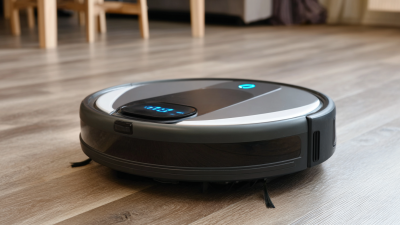
Robotic vacuum cleaners have gained traction for their convenience. They clean autonomously, navigating around furniture. While they save time, their suction power may not match that of traditional models. If you have pets, you might find they sometimes miss hair in corners.
Keep in mind your specific cleaning needs. For large homes with pets, an upright or canister may be more effective. Think about how often you clean and what surfaces you maintain. Analyzing these factors can guide you to the right choice. Focus on your unique requirements instead of just marketing claims.
Key Features to Evaluate: Suction Power, Filtration, and Noise Levels
Choosing a home vacuum cleaner in 2026 requires careful evaluation of its key features. Suction power is paramount. A vacuum cleaner with 250-300 air watts offers effective debris removal, as per 2023 industry standards. Models with higher suction can handle various surfaces better. However, it is essential to remain cautious; excessive suction may damage delicate surfaces.
Filtration systems significantly impact air quality. HEPA filters capture 99.97% of particles as small as 0.3 microns. This is crucial for allergy sufferers. In a recent study, 30% of households reported noticeable air improvement with HEPA filters. Yet, some consumers overlook regular filter maintenance. Clogged filters can reduce airflow, leading to decreased efficiency.
Noise levels also deserve attention. Most modern vacuums range from 60 to 80 decibels. According to recent studies, prolonged exposure to noise above 70 decibels can cause hearing damage. A quieter vacuum can enhance the cleaning experience, especially in homes with children or pets. Therefore, balancing effective suction with a reasonable noise level is vital when choosing the best vacuum for your home.
How to Choose the Best Home Vacuum Cleaner in 2026? - Key Features to Evaluate
| Model |
Suction Power (Air Watts) |
Filtration Type |
Noise Level (dB) |
| Model A |
250 |
HEPA |
68 |
| Model B |
300 |
Fine Dust Filter |
72 |
| Model C |
200 |
Standard Filter |
70 |
| Model D |
270 |
Washable Filter |
66 |
| Model E |
320 |
Active Carbon Filter |
75 |
Assessing Floor Types: Hard Floors vs. Carpets and Their Requirements
Choosing the right vacuum cleaner for different floor types is crucial for effective cleaning.
Hard floors require vacuums that can pick up fine dust and debris without scratching the surface.
Lightweight models with soft bristle brushes are often recommended. They remove dirt while being gentle.
Choosing one with a strong suction power is essential.
Carpets, however, present a different challenge.
They trap dirt and allergens deep within the fibers.
A vacuum with a rotating brush or beater bar can dislodge this trapped dirt.
Look for models with adjustable height settings.
This feature accommodates various carpet lengths and textures.
It’s important to consider noise levels too, especially if you have pets or young children at home.
Many options on the market can feel overwhelming.
Researching and reading user reviews can help.
Consider testing vacuums if possible.
Finding the right balance between effectiveness and convenience takes time.
Sometimes, what works for one household may not be suitable for another.
Reflecting on your cleaning habits can guide you in making better choices.
The Importance of HEPA Filters: Allergy and Asthma Considerations
When selecting a vacuum cleaner in 2026, the importance of HEPA filters cannot be overstated. These filters capture 99.97% of particles, including dust, pollen, and pet dander. For individuals with allergies or asthma, using a vacuum with a HEPA filter can significantly improve air quality at home. This is crucial, as poor air quality can trigger symptoms and hinder daily activities.
Many people overlook the maintenance of HEPA filters. Regular cleaning or replacement is essential to ensure optimal performance. Neglecting this step can render the filter less effective and may lead to more airborne allergens. It's important to choose a vacuum cleaner that allows easy access to the filter for regular maintenance.
In addition, the design of the vacuum cleaner matters. A model that prevents dust from escaping during operation is vital. Despite their capabilities, some vacuum cleaners still struggle to contain fine particles. Consumers should read reviews and seek feedback from actual users. This can provide insights into the reliability of a vacuum's filtration system. Investing in a reliable vacuum with a good HEPA filter can lead to a healthier home environment over time.
Evaluating Smart Technology: Connectivity and Automated Features
When it comes to choosing a vacuum cleaner, smart technology is a significant factor. Many models now offer connectivity features. This allows users to control machines through apps on their smartphones. It's important to evaluate how easy it is to connect these devices. Some vacuums may struggle with network stability. A flawless connection is essential for seamless operation.
Automated features are another consideration. Automatic scheduling can be a game changer for busy households. Imagine setting the vacuum to clean while you're at work or running errands. However, not all vacuums manage these tasks efficiently. Users often report missed spots or inconvenient cleaning times. Assessing user reviews can provide insight into which models excel and which fall short.
Voice control integration is another trendy feature in modern vacuums. This capability allows for hands-free operation. It may sound convenient, but reviews suggest that responsiveness can be spotty. If voice commands fail, it can lead to frustration. Keep in mind that technology should enhance user experience, not complicate it.
Price vs. Performance: Budgeting for a Quality Vacuum Cleaner
When considering a vacuum cleaner purchase in 2026, balancing price and performance is crucial. Findings from the Appliance Research Institute indicate that consumers should expect to spend between $150 to $500 for effective models. A quality vacuum cleaner can last up to 10 years, making this investment worthwhile. However, many shoppers often underestimate recurring costs like maintenance and replacement parts, which can add up.
Performance metrics should not be overlooked. A 2023 survey showed that vacuum cleaners with at least 12 amps of power offer better suction. Consumers often focus on price, but lower-priced options may lack essential features. For example, bagless models may save money upfront but can fail to filter fine dust effectively. This could lead to problems, especially for allergy sufferers.
Moreover, not every vacuum cleaner fits every household. Size, weight, and ease of use should also be considered. Compact models may be convenient but could compromise suction power. Data from consumer reviews highlight that many people are unhappy with their initial choice due to these factors. It's essential to weigh both immediate costs and long-term benefits when selecting the right vacuum cleaner for your home.
How to Choose the Best Home Vacuum Cleaner in 2026?
This chart compares the average price and performance of different types of vacuum cleaners in 2026. The data reflects the performance score based on efficiency, usability, and durability against their average price.
Customer Reviews and Expert Ratings: How to Interpret Feedback
Customer reviews are a powerful tool in choosing a vacuum cleaner. They provide firsthand insight into how well a model performs in real-life situations. Look for detailed reviews that include specifics on suction power, ease of use, and maintenance needs. Many customers share their experiences with various floor types. This can help you determine if a vacuum will work well in your home.
When interpreting feedback, pay attention to patterns. If multiple users mention a similar issue, it’s worth considering. Positive reviews are encouraging, but also look for criticisms. A common complaint may highlight a flaw that you may encounter. Additionally, expert ratings can lend credibility. These professionals often test vacuums in controlled environments, which can provide a different perspective on reliability and performance.
However, not every review will be perfect or enlightening. Sometimes, feedback can be overly subjective or influenced by personal biases. It is essential to read a range of opinions. This allows for a balanced viewpoint. Investing time in understanding customer feedback can lead you to a vacuum cleaner that truly meets your needs.
FAQS
: Look for connectivity features. They allow control via smartphone apps. An easy connection is vital for effective operation.
Yes, automatic scheduling can be helpful. You can schedule cleaning while away. However, some models may miss spots.
Voice control can be convenient. But reviews indicate responsiveness issues. This can lead to frustration during use.
They provide real-life insights on performance. Look for details on suction power and ease of use.
Identify patterns in reviews. If many report similar issues, consider that flaw. Positive feedback is useful but be cautious.
Yes, they offer a controlled perspective. Experts test vacuums under specific conditions. However, individual experiences can differ.
Some reviews may be biased or overly subjective. Reading a variety of opinions can help you get a balanced view.
It can save time, but not all models do this efficiently. Users often report inconvenient timings or missed areas.
Pay attention to suction power and maintenance needs. Performance can vary with different floor types.
Relying on a single review can be misleading. A range of feedback provides a clearer picture of a vacuum's capabilities.
Conclusion
When choosing the best home vacuum cleaner in 2026, it’s crucial to understand the different types available, such as upright, canister, and robotic models. Each type has its own strengths and intended uses, making selection based on floor types and specific cleaning needs essential. Key features, including suction power, filtration systems, and noise levels, also play a significant role in ensuring an efficient cleaning experience.
Moreover, considering the importance of HEPA filters for managing allergies and asthma, as well as evaluating smart technology for enhanced connectivity and automated features, can greatly influence your decision. Balancing price with performance is vital for budgeting, while customer reviews and expert ratings provide valuable insight into the effectiveness of various home vacuum cleaners. By thoughtfully assessing these elements, you can find a vacuum that meets both your cleaning needs and budget.