NINGBO CHANGLI AUTOMATIC APPLIANCE CO., LTD.

Picking out an electric cleaning mop in 2026 isn't just about comparing battery life or falling for promotional hype. These days, homes are a mix of all kinds of surfaces — sealed wood, ceramic tiles, stone, textured vinyl — and each one reacts a bit differently to water, heat, or scrubbing. So, when you're making a buying decision, it’s important to connect the specs with what actually goes on at home.
According to Euromonitor's Home Care report for 2024, there's still a big demand for cleaning tools that save time and boost convenience. Similarly, Grand View Research points out that cordless models are really taking off — mainly because they’re easier to handle and make cleaning less of a chore. While these reports show a growing market, keep in mind that not every fancy or high-end model will actually perform well in your home. They're based on different methods and categories, so it’s a good idea to look into how they do their testing.
A solid review should check stuff like how wide the cleaning path is, how well it reaches edges, how loud it is, how quickly it dries, and how long the battery lasts. Try testing the mop on different messes — like a coffee stain, some fine dust, or those tricky baseboards — and see if the roller leaves a wet streak behind. Also, see if it can stand upright safely when you take a break, and whether it has washable, replaceable parts. Consumer Reports emphasizes something pretty important: controlled, side-by-side comparisons matter way more than just good looks or flashy packaging. No single model will excel on every floor type. I personally tend to prioritize noise levels, but someone else might care more about suction power or how fast it charges. Basically, it’s all about what’s most important for your household.
In 2026, making a smart choice means balancing proven performance, available repair support, water management features, and overall cost of ownership. Before buying, take the time to read independent reviews, dig into the user manuals, check warranty details, and see if there are local service options. Doing your homework now will help you find a mop that really works for your home instead of just the shiny packaging.
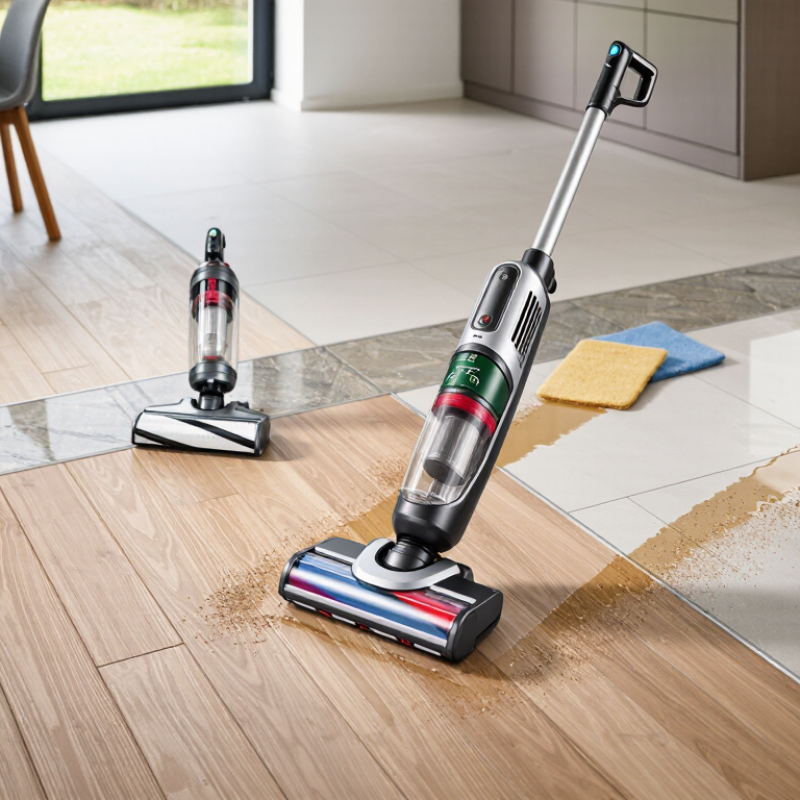
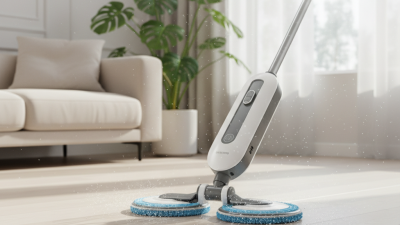
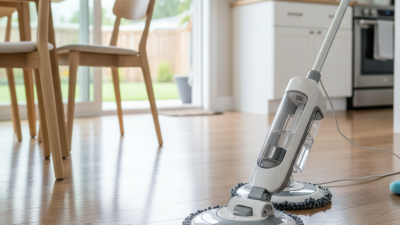
Choosing an Electric Cleaning Mop in 2026 starts with identifying the cleaning job, not the most advanced specification. A spin mop uses rotating pads to loosen dried marks and usually leaves less water behind. It suits sealed tile, laminate, and other hard floors. In my home test, the spinning action cleaned a sticky kitchen patch well, but the pads needed frequent rinsing. That small chore is easy to underestimate.
A spray mop releases a fine layer of solution before wiping. It feels light and works well for daily dust, crumbs, and small spills. Check the spray pattern on your floor first. Excess moisture can enter seams. Steam mops use heated vapor, which helps remove grease without relying heavily on detergent. However, heat and moisture may damage unsealed wood, waxed surfaces, or delicate finishes. Read the floor-care instructions carefully. I once used steam on a questionable surface and had to stop when the finish looked dull. That was my mistake.
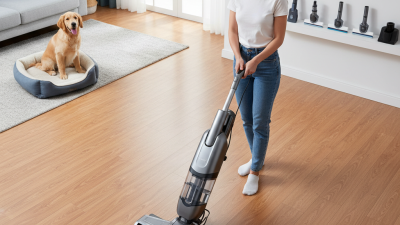
Wet-dry models vacuum debris and wash the floor in one pass. They are practical near dining tables, where rice, sauce, and fine dust often mix together. Sensors may adjust water or suction, but no machine replaces basic maintenance. Empty the dirty tank after use, rinse the filter, and dry the roller completely. A heavier unit can clean faster, yet it may feel awkward around chair legs. Battery life also matters in larger homes. For a reliable choice, compare noise, tank size, charging time, replacement parts, and surface compatibility, then match those details with your actual cleaning routine.
An electric cleaning mop should prove more than smooth movement and bright displays. Ask for cleaning results measured with ASTM F2608 soil-removal methods. This standard evaluates how much artificial soil a machine removes from a flooring surface. Testers measure reflectance before and after cleaning. A larger reflectance improvement usually indicates stronger soil removal.
Look for testing details, not vague claims. Reliable evaluations should identify the floor material, soil type, moisture level, cleaning passes, and drying conditions. The operator should use the same route and pressure for every mop. Small differences can change the result. Do not guess.
ASTM F2608 results help compare machines under controlled conditions, but they cannot represent every home. Kitchen grease, pet tracks, textured tiles, and dried spills behave differently. A mop may score well in a laboratory yet struggle near grout lines. Check whether the test used a similar surface. Also examine water control, brush access, noise, battery endurance, and residue after drying. In practical comparisons, one extra pass can make a visible difference, but that may reduce convenience. Testing is useful, not perfect. That limitation matters.
When choosing an electric cleaning mop in 2026, check battery performance before chasing extra features.
An Extendable Electric Cleaning Mop may cover large floors, but its runtime depends on water pressure, brush resistance, and floor type. A model rated for 45 minutes may deliver less time on textured tiles. That difference matters.
Test the stated runtime under realistic conditions. Clean a kitchen, hallway, and bathroom without stopping, if possible. Look for removable battery information, charging indicators, and overheat protection.
Charging time also affects daily use. A battery needing six hours can be inconvenient after one heavy cleaning session. Fast charging sounds useful, but heat management should not be ignored. I have found that printed runtime figures rarely match every household.
IEC 62133-2 is an important safety reference for rechargeable lithium batteries.
It covers hazards linked to battery design, transport, charging, and abuse conditions. However, an IEC 62133-2 reference does not replace careful product verification. Check whether the documentation identifies the tested battery pack, not merely the mop itself.
Ask for clear conformity records when details seem vague. Inspect the charger, cable, and battery housing for damage before use. Do not charge the mop on wet flooring or beneath fabric.
Small oversights happen. I still prefer a slightly shorter runtime with stable charging behavior over an impressive figure that lacks dependable evidence.
When choosing an electric cleaning mop in 2026, inspect the water system before comparing accessories. Tank capacity affects weight, refill frequency, and cleaning coverage. A 500-milliliter tank may suit a small apartment. Larger homes need more water, but excessive capacity can make the mop tiring to carry. I once selected a larger tank for convenience. It made stairs noticeably harder.
Flow control matters on different floor surfaces. Low flow works well on sealed wood and laminate. Higher flow can loosen dried food on tile. Look for clear controls rather than vague “smart” settings. Test the mop on a small area first. Water should spread evenly, not collect behind the roller. Too much moisture may enter seams or leave streaks. Manufacturer figures are useful, but real performance changes with speed, pressure, and floor texture.
Wastewater separation is equally important. A dedicated recovery tank keeps dirty liquid away from clean water. Check its capacity, lid seal, filter access, and emptying method. A narrow opening may trap hair and muddy residue. That matters after cleaning a kitchen floor. Rinse removable parts after each use, even when the device claims self-cleaning. I have found that “hands-free” maintenance still needs inspection. A mop that separates wastewater well should also provide a visible full-tank warning. Otherwise, suction can weaken before the user notices.
How to Choose an Electric Cleaning Mop in 2026?
Noise and handle comfort deserve more attention than glossy features. Choose a mop rated below 70 dB(A), especially for apartments, nurseries, or early-morning cleaning. A quiet motor feels less tiring across larger rooms. However, laboratory figures may not match real floors. Water, suction, furniture, and hard surfaces can raise perceived noise. Listen to a working sample when possible. A smartphone app can provide a rough comparison, but it is not professional sound equipment.
Tips: Check the test conditions. Ask whether the rating covers the motor, spray system, and drying function. Look for a handle with a soft, secure grip and a natural wrist angle. The control buttons should sit within your thumb’s reach. A swiveling head can reduce shoulder strain around chair legs. Test the mop while standing straight. Small details matter.
I once preferred a heavier model because it felt powerful. After ten minutes, my wrist disagreed. Weight balance matters more than advertised strength. The handle should not force your elbow outward or make you bend constantly. Adjustable height helps different users, though loose joints can become irritating. Examine the trigger pressure, charging position, and water-tank access in person. Reliable cleaning equipment should include clear noise data, safety instructions, and accessible service information. Still, no specification replaces a short hands-on test. Each home has different floors, echoes, and cleaning habits.
Assess noise levels below 70 dB(A) and look for an ergonomic handle that supports a neutral wrist and upright posture.
The 70 dB(A) value is used here as a practical product-screening ceiling, not as a universal safety limit. For context, occupational noise guidance commonly uses an 85 dB(A) 8-hour exposure level and a 90 dB(A) 8-hour permissible exposure level. When comparing mops, check the manufacturer’s operating-noise measurement method and test conditions.
Reference: public occupational noise-exposure guidance from NIOSH and OSHA.
A Self Cleaning Electric Mop should match your floor, not just your cleaning routine. Check whether the surface is sealed, moisture-resistant, and approved for steam. Sealed tile and stone usually tolerate regular steam, while unsealed wood may stain, swell, or lose its finish. Laminate and some vinyl floors need extra caution. Read the floor manufacturer’s instructions before using heat or water. I once assumed a “waterproof” surface could handle steam, but a dull patch appeared after repeated cleaning. That mistake changed my testing method.
Steam temperature also needs careful interpretation. A high boiler temperature does not guarantee equally hot steam at the floor. Check the mop’s operating range, pad condition, and distance from the surface. Begin with the lowest effective setting. Test a hidden corner for 30 seconds, then inspect it under bright light. Never leave the mop stationary. Heat can soften adhesive or mark delicate coatings.
Tips: Treat IPX4 as splash protection, not waterproofing. It helps protect the appliance from water splashes during normal use. It does not permit immersion, heavy spray, or cleaning under a tap. Keep the charging area dry, unplug the unit before maintenance, and inspect seals regularly. A self-cleaning cycle removes residue, but it does not replace rinsing and drying the dirty-water tank. Small details matter.
How to Choose an Electric Cleaning Mop in 2026?
When comparing a Floor Cleaning Electric Mop, calculate ownership cost, not only the purchase price. The Global E-waste Monitor 2024 reported 62 million tonnes of electronic waste in 2022, with only 22.3% formally recycled. A replaceable battery, washable filter, and accessible brush housing can reduce waste and service bills. Check the filter price, cleaning interval, and availability before buying. A low-cost filter replaced monthly may exceed the mop’s original price within three years.
Filter life needs practical testing. After cleaning muddy kitchen tiles, inspect the filter for grey residue and reduced airflow. Some filters last longer when rinsed, but not all are washable. Never assume. Warranty terms deserve equal attention. Look for coverage on the motor, battery, charger, and water pump, not just the handle. A two-year warranty sounds useful, yet exclusions for water damage may weaken it. The European Commission’s 2020 Eurobarometer found that 77% of consumers preferred repairing products, while 79% wanted easier repairs.
Repairability is often overlooked. Choose models with standard screws, numbered parts, and published service instructions. Ask whether batteries and filters have separate part numbers. The Global E-waste Monitor data makes this choice harder to ignore. I once focused too much on suction power and missed the cost of a sealed battery replacement. A spreadsheet helps, but it cannot reveal poor customer support. Check repair centers, response times, and spare-part availability before payment.
A spin mop works well on sealed tile, laminate, and similar hard floors. Rotating pads loosen dried marks and leave less water behind. Rinse the pads often. Small chore.
A spray mop suits daily dust, crumbs, and small spills. It releases a fine layer of cleaning solution. Check the spray pattern first. Excess moisture can enter floor seams.
No. Steam may damage unsealed wood, waxed surfaces, laminate, or delicate finishes. Check floor-care instructions before use. Test a hidden corner for 30 seconds. I once ignored this and dulled a finish.
Start with the lowest effective setting. Check the operating range and pad condition. Never leave the mop still. Heat may soften adhesive or mark coatings.
It vacuums debris and washes floors in one pass. This helps around dining tables with rice, sauce, and dust. Heavier models may clean faster. They can feel awkward around chair legs.
Empty the dirty-water tank after every use. Rinse the filter and dry the roller completely. A self-cleaning cycle removes residue, but it is not complete maintenance.
IPX4 generally protects against water splashes. It does not allow immersion, heavy spraying, or cleaning under a tap. Keep the charging area dry. Unplug the unit before maintenance.
Check filter prices, battery replacement, brush access, warranty coverage, and spare-part availability. Replaceable batteries and washable filters may reduce waste. I once focused on suction power and missed battery costs.
They matter more in larger homes. Compare cleaning time, charging time, and room size. A short battery may interrupt a simple routine. The perfect specification may not exist.
Confirm that the surface is sealed, moisture-resistant, and approved for heat. Laminate and vinyl need extra caution. Read the floor manufacturer’s instructions. Guessing can create expensive damage.
Choosing an Electric Cleaning Mop in 2026 requires more than comparing appearance or advertised power. First, identify the most suitable type: spin models for scrubbing, spray models for controlled moisture, steam models for heat-based cleaning, or wet-dry models for simultaneous washing and liquid recovery. Evaluate cleaning results with consistent soil-removal methods such as ASTM F2608, then compare battery runtime, charging duration, and IEC 62133-2 safety considerations. Water-tank capacity, adjustable flow, and effective separation of clean and wastewater also influence everyday convenience.
For comfortable and reliable use, select a model with noise below 70 dB(A), a balanced handle, and controls that are easy to reach. Confirm that the mop is compatible with your floor materials, that steam temperatures are appropriate, and that the housing offers suitable IPX4 protection where relevant. Finally, estimate long-term ownership costs by reviewing filter life, consumables, maintenance requirements, warranty coverage, and the availability of repairable components.