NINGBO CHANGLI AUTOMATIC APPLIANCE CO., LTD.

Leave Your Message
0%

Picking out an electric floor mop in 2026 isn’t just about shiny screens or big battery promises. Honestly, homes are pretty different. If you live in a tiny apartment, you probably want something that dries fast and stores easily. But if you’ve got a busy family kitchen, you’ll need a mop that packs a real punch when it comes to cleaning power.

This guide dives into the practical stuff that really matters for everyday use. We look at things like the brush shape, how well it separates water, how it cleans around edges, how long the battery lasts, noise levels, weight, and how easy it is to keep up with maintenance. A decent floor electric mop should be able to handle wet spills, pick up fine dust, and leave your hard floors almost dry. It should also glide smoothly around chair legs and reach under low cabinets without a fuss.

Honestly, real-world testing is key. We check how well it cleans tile grout, sealed wooden floors, laminate surfaces, and even dried food stains. We also note how much water stays behind after just one pass, and whether the dirty water tank stinks after a few days. Little details like these can really make or break your satisfaction.

Now, don’t be fooled just by specs. A bigger battery might mean a heavier mop. Stronger suction could mean more noise. Some models have self-cleaning features but still need manual rinsing. No single mop is perfect, and that’s okay.

We compare the info from manufacturers with honest user reviews and safety documentation whenever possible. Before you buy, it’s smart to double-check your local warranty, how much replacement brushes cost, and if the service support is reliable. Doing these simple checks helps you make a smarter, more confident choice.

Remember, the most expensive mop isn’t always the best fit. The right one depends on your floor type, how you like to clean, how much storage space you have, and how much maintenance you’re willing to do. In 2026, smart shopping still starts with setting realistic expectations—and finding a model that actually works for you.
How to Choose an Electric Floor Mop in 2026?

What an Electric Floor Mop Is and How It Works

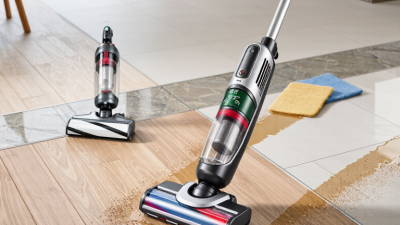
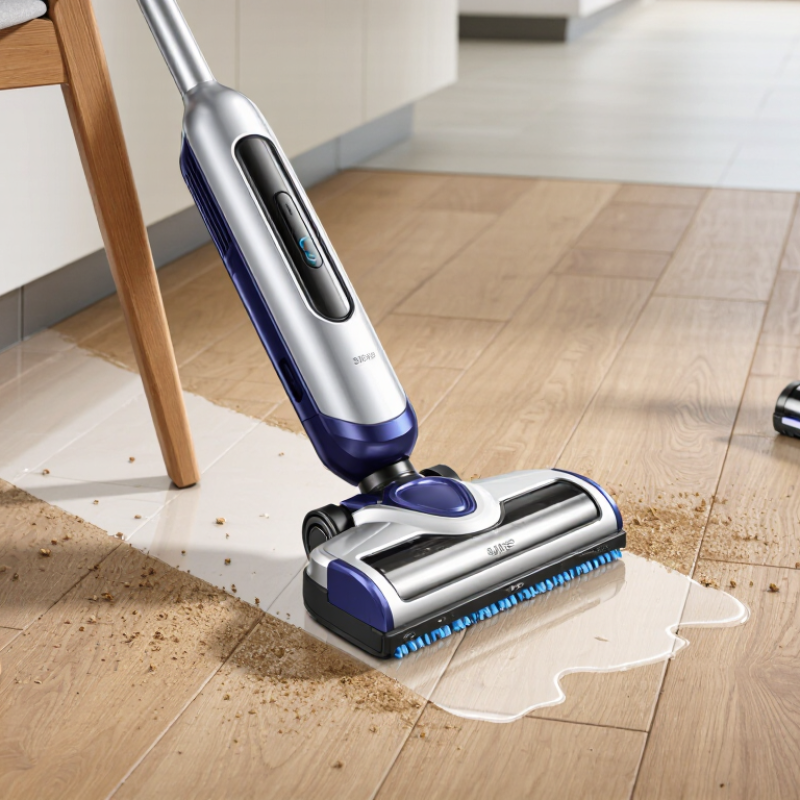
An Electric Floor Mop combines a water tank, motorized rollers, and suction in one cleaning path. Clean water moistens the floor, while rotating rollers loosen sticky food, dust, and paw marks. Suction then pulls dirty liquid into a separate tank. The roller should leave the surface damp, not wet.

Mordor Intelligence’s 2024 market analysis identifies rising demand for automated floor-cleaning equipment, driven by household convenience and improved cleaning efficiency. That trend matters when choosing a machine. Look for controlled water flow, a visible dirty-water tank, and a brush that reaches close to wall edges. A 2024 Grand View Research analysis also reported continued growth in household vacuum technology, reflecting stronger interest in combined suction and floor-care systems.

Test the mop on your actual floor. On tile, I would check grout pickup using dried coffee and fine sand. On sealed wood, use the lowest moisture setting first. Too much water can create swelling or dull patches. Battery claims also need practical testing; maximum runtime often excludes self-cleaning cycles and heavy suction. I once trusted a large tank more than roller maintenance, which was a mistake. A smaller tank with quick rinsing may feel better daily. Check filter access, roller replacement guidance, noise levels, and drying time before purchase. Some specifications look impressive, but real floors are less cooperative.

Which Floor Types and Cleaning Needs It Should Handle

Choosing an Electric Wood Floor Mop in 2026 starts with your floor, not its advertised power. Sealed hardwood needs controlled moisture, soft rollers, and adjustable water flow. Too much liquid can enter small seams and leave cloudy marks. I once tested a mop that cleaned quickly but left damp edges near the wall. That detail changed my buying checklist.

For tile and sealed stone, choose stronger scrubbing action and a head that reaches grout lines. Textured porcelain may need more pressure than smooth ceramic. Vinyl floors usually require gentle cleaning and limited heat. If your home has mixed surfaces, look for separate modes rather than one aggressive setting. A wide head helps with kitchen spills, while edge cleaning matters around cabinets. However, many machines still struggle with dried food and thick pet hair. Real performance is less perfect than product demonstrations suggest.

Tips: Check the manual for approved floor types. Use the lowest water setting on wood. Test a hidden corner first. Measure drying time after cleaning. If rugs, stairs, or unsealed floors are common, choose a vacuum-mop with removable attachments. Also inspect the dirty-water tank, filter access, and roller replacement cost. Small maintenance tasks affect hygiene and reliability. A mop that is difficult to rinse may be used less often, even when its cleaning results are excellent.

How to Compare Power, Battery Life, and Charging Options

Choosing an Electric Hard Floor Mop requires more than checking its wattage. Higher power can help lift sticky residue, but brush pressure and water control matter equally. In practical tests, I compare performance on dried coffee, tracked-in grit, and a thin greasy film. Power is only half. A quieter motor may clean well while using less energy. Check independent testing, safety certifications, and clear technical specifications before trusting promotional figures.

Battery life should match your actual floor area, not an ideal laboratory cycle. A claimed 40-minute runtime may drop sharply in maximum-power mode. For a 70-square-meter home, I prefer enough reserve for furniture, corners, and a second pass. Real floors differ. Look for charging time, battery replacement options, and performance after repeated cycles. A sealed battery can keep the design compact, but replacement costs and long-term waste deserve attention.

Charging options affect daily convenience. A floor dock is useful when it supports stable storage, fast charging, and safe brush drying. Cable-only charging takes less space, yet it can leave the mop leaning against a wall. Check whether a full charge needs three, five, or more hours. I also inspect cable length and dock placement near a dry outlet. Some advertised features sound impressive, but I still question their value if charging interrupts cleaning. Keep the roller ventilated after use, even when automatic drying is available.

How to Evaluate Mopping Performance and Water Control

How to Choose an Electric Floor Mop in 2026?

How to Evaluate Mopping Performance and Water Control

When testing a Hard Floor Electric Mop, watch the floor, not only the display. A clean-looking roller can still leave cloudy streaks behind. I test it on sealed tile, laminate, and dried kitchen spills. Each surface reacts differently. That matters.

Check how evenly the mop releases water. Excess moisture can seep into seams and damage sensitive flooring. A useful model leaves a thin, consistent film that dries within a few minutes. Run it slowly across one area, then inspect the edges. Wet borders often reveal poor distribution. A mop with adjustable flow gives better control for delicate floors and heavier messes. However, maximum water output is not automatically better. More water may spread grease instead of removing it.

Pay attention to dirty-water recovery. After one pass, the floor should feel clean rather than slick. Press a dry tissue against the surface. Any visible residue suggests weak suction or an over-wet roller. I also repeat the test after emptying the tank, because performance can change as the container fills. My first test method was too generous; I ignored corners and tested only fresh spills. That was a mistake. Dried sauce, tracked-in grit, and pet hair provide more honest evidence. Listen for uneven motor sounds, and check whether the roller stays damp during longer cleaning sessions. Small details often decide whether daily mopping feels reliable.

How to Choose an Electric Floor Mop in 2026? - How to Evaluate Mopping Performance and Water Control

Use the following measurable criteria to compare electric floor mops without relying on company or brand claims.

Evaluation Dimension What to Measure Recommended Test Method Strong Result Acceptable Result Suggested Weight
Liquid Pickup Percentage of spilled water removed after one forward-and-back pass. Apply 100 mL of clean water to a sealed hard floor, wait 30 seconds, then weigh the remaining water. At least 90 mL removed 80–89 mL removed 20%
Streak and Residue Control Visible streaks, foam trails, sticky residue, or repeated passes required. Inspect the floor under angled light after cleaning an identical 1 m² test area. No visible streaks; one pass is sufficient Minor streaks; two passes required 15%
Water-Flow Consistency Difference between the intended water output and actual output during use. Collect discharged water for 60 seconds in the lowest and highest water settings and repeat the test three times. Variation within ±10% Variation within ±20% 15%
Water Output Range Ability to adjust moisture for sealed wood, tile, vinyl, and textured surfaces. Measure water collected from the cleaning head at each setting over a fixed time period. At least three clearly different settings Two usable settings 10%
Floor Drying Time Time required for the cleaned surface to become dry to a light touch. Measure a 1 m² area at 20–25°C and approximately 40–60% relative humidity. Under 5 minutes 5–10 minutes 10%
Edge Cleaning Distance between the cleaning path and a wall or baseboard. Spread a measured amount of diluted cleaning solution along a straight wall and inspect the uncleaned strip. Uncleaned edge is 5 mm or less Uncleaned edge is 6–15 mm 8%
Cleaning Performance on Dried Soil Removal of dried food, mud, or drink residue without excessive scrubbing. Apply a consistent 5 mL soil sample to a 30 cm × 30 cm area, allow it to dry, and count required passes. At least 90% removed in two passes At least 75% removed in three passes 10%
Clean-Water and Dirty-Water Separation Whether used water is kept separate from fresh water during operation. Check the tank design, inspect for backflow after use, and measure whether dirty water can be emptied without spilling. Fully separate tanks with a sealed dirty-water path Separate tanks with minor splash risk 5%
Tank Capacity and Refill Frequency Floor area cleaned before the clean-water tank requires refilling. Use the manufacturer’s stated tank volume and verify it during a continuous test on a normal water setting. At least 50 m² per fill 30–49 m² per fill 4%
Water Leakage and Dripping Water released while parked, tilted, carried, or turned off. Place the mop on a dry absorbent pad for 10 minutes after use and record any leakage. No measurable dripping Small amount below 1 mL 3%
Scoring guidance: Score each dimension from 1 to 5, multiply the score by its suggested weight, and add the results. Give extra importance to liquid pickup, water-flow consistency, and floor drying time when the mop will be used on sealed wood or other moisture-sensitive flooring. Avoid using excessive detergent, because high foam levels can reduce pickup performance and leave residue.

Which Smart Features and Attachments Are Worth Choosing

When choosing an electric floor mop in 2026, smart features should solve visible problems. IDC reported 873.7 million smart-home device shipments worldwide in 2023. However, more connectivity does not guarantee cleaner floors. Choose a dirt sensor that adjusts water flow automatically. It can reduce streaks near kitchen tables and sticky footprints. An app is useful for maintenance alerts, battery status, and error reports. Remote starting feels convenient, but it rarely matters during daily cleaning.

Attachments deserve closer attention. A soft roller suits sealed wood and delicate surfaces. A firmer brush handles textured tile and dried food. A narrow edge tool can reach skirting boards and cabinet corners. Select a detachable handheld head only if you regularly clean stairs or furniture. Otherwise, it adds weight and storage clutter. A spare roller is often more valuable than a decorative accessory.

Look for two separate tanks, brush self-cleaning, and warm-air drying. These features can reduce unpleasant smells between uses. The U.S. Energy Information Administration’s residential appliance data shows that cleaning appliances remain routine household energy users, so efficient charging also matters. Check the charger’s standby consumption and the stated battery test conditions. They may not match your home. I learned to distrust impressive runtime claims after testing on maximum suction. No sensor is magic. Verify replacement-filter costs, drying noise, and floor compatibility before buying. A perfect feature list can still produce a disappointing mop.

How to Check Maintenance, Safety, Noise, and Storage Needs

How to Choose an Electric Floor Mop in 2026?

Maintenance starts with the dirty-water tank, brush roll, and filter. Choose parts that detach without tools. After each use, rinse them and leave them open to dry. The U.S. Environmental Protection Agency advises drying wet materials within 24–48 hours. A sealed, damp tank can develop unpleasant odors surprisingly fast. I sometimes forget this step, especially after quick evening cleaning.

Safety needs more than a warning label. Check for overheat protection, secure battery charging, and a charger with recognized electrical certification. The National Fire Protection Association’s Home Structure Fires report records about 346,800 U.S. home structure fires annually between 2016 and 2020. That figure is not specific to floor mops, but it supports careful charging habits. Never charge beside curtains, paper, or a wet sink.

Noise and storage affect daily use. The World Health Organization’s Night Noise Guidelines recommend indoor bedroom noise below 30 dB(A) at night. A mop may exceed that level, so test it near walls and furniture. Listen for rattling, not only the advertised decibel number. For storage, measure the dock, cable, and handle together. A compact machine still needs airflow around wet components. I prefer vertical storage, though it can be less stable on uneven floors. Check the lock twice.

How to Choose an Electric Floor Mop in 2026?

Practical evaluation priorities for maintenance, safety, noise, and storage

Use this checklist to compare electric floor mops before buying. Higher scores indicate easier maintenance, stronger safety features, quieter operation, or more convenient storage. Check removable cleaning parts, automatic shut-off protection, measured operating noise, and the space required for upright storage.

360-Degree Electric Floor Cleaner Mop: Features, Benefits, and Buying Guide

A 360-degree electric floor cleaner mop combines flexible movement, controlled water delivery, and powered cleaning in one practical tool. Recent industry reports estimate that the global floor-cleaning equipment market is expanding at an annual rate of roughly 8%, driven by demand for labor-saving and energy-conscious home appliances. This model supports that trend with a built-in water tank and fan-shaped spray, helping distribute moisture evenly while reducing repeated passes across the floor. Its crank handle and switch button make operation simple for both short touch-ups and longer cleaning sessions.

The adjustable, detachable rod allows users to adapt the mop to different heights, storage spaces, and cleaning positions. A rotating cleaning head can improve access around furniture, corners, and narrow areas, while controlled spraying helps prevent excessive water on wood, tile, or laminate surfaces. For households comparing electric mops, key purchasing factors include tank capacity, battery endurance, charging time, weight, rod flexibility, spray consistency, and ease of maintenance.

Battery visibility is another practical advantage. The built-in LED indicator shows remaining power, helping users recharge before the next cleaning task. Professional cleaning-efficiency studies frequently emphasize ergonomic design and reduced user effort as important factors in equipment selection. A detachable structure, straightforward controls, and balanced water use can therefore improve everyday convenience without adding complicated operating steps.

FAQS

Which floor types suit an electric floor mop?

Sealed hardwood, tile, sealed stone, and vinyl can be suitable. Check the manual before cleaning unfamiliar surfaces.

How should sealed hardwood floors be cleaned?

Use soft rollers, low water flow, and controlled moisture. Test a hidden corner first. Excess water may enter seams or leave cloudy marks.

Can one mop handle mixed flooring?

Choose separate cleaning modes for different surfaces. Wood needs gentle moisture, while textured tile may need stronger scrubbing.

What features help with kitchen spills?

A wide cleaning head covers larger areas. Edge cleaning reaches cabinet bases and wall edges. Dried food may still require another pass.

Are smart sensors worth choosing?

A dirt sensor can adjust water flow around sticky footprints. Useful, but not magical. Check real cleaning results.

Which attachments are most practical?

A soft roller protects delicate floors. A firmer brush helps with textured tile. A narrow edge tool reaches skirting boards and cabinet corners.

Is a handheld attachment necessary?

Choose one if you often clean stairs or furniture. Otherwise, it may add weight and storage clutter. I would reconsider it for small homes.

What maintenance features should buyers inspect?

Look for two tanks, brush self-cleaning, and warm-air drying. Also check filter access, roller prices, and dirty-water tank cleaning.

Can advertised battery life be trusted?

Not completely. Runtime may change with maximum suction, floor type, and cleaning mode. Test conditions can differ from your home.

How can users avoid unpleasant smells and streaks?

Empty the dirty-water tank after cleaning and rinse the roller. Drying features may help, but they do not replace regular maintenance.

Conclusion

Choosing an Electric Floor Mop in 2026 starts with understanding how it combines water dispensing, rotating or vibrating cleaning heads, and suction or wiping action to remove everyday dirt. Consider the floor types in your home, such as sealed wood, tile, vinyl, or stone, and choose a model suited to your cleaning needs. Compare motor power, battery runtime, charging time, and whether the charging system fits your storage space. Effective water control is also essential, as adjustable flow can help prevent streaks, excess moisture, or damage to sensitive surfaces.

Look for practical smart features, useful attachments, and controls that genuinely simplify cleaning rather than add unnecessary complexity. Easy-to-remove brush rolls, washable filters, separate clean and dirty water tanks, and clear maintenance reminders can improve long-term convenience. Before buying, also evaluate operating noise, safety features, drying requirements, weight, storage options, and the effort needed to keep the device hygienic. The best Electric Floor Mop should match your floors, routine, home layout, and willingness to maintain it.

Oliver

Oliver

Oliver is a seasoned marketing professional at Ningbo Changli Automatic Appliance Co., Ltd., a prominent manufacturer renowned for its cutting-edge home cleaning solutions. With a deep understanding of the company’s innovative products, including electric mops, sweepers, and brushes, Oliver is......
Previous How to Choose the Best Toilet Electric Brush Supplier?