NINGBO CHANGLI AUTOMATIC APPLIANCE CO., LTD.

So China has really turned into a big sourcing hub for electric brush products—serving everyone from retailers and dental brands to hotels and private-label distributors around the world. But picking a supplier nowadays? That takes a lot more than factory photos and a tempting price. Buyers need to dig into motor stability, battery protection, waterproof testing, bristle consistency, packaging accuracy, and after-sales support. Honestly, the small stuff matters. One loose charging port can mess up an entire retail batch.
And there’s market evidence behind this growing focus. Grand View Research says the global electric toothbrush market keeps expanding, thanks to rising oral-care awareness, product innovation, and replacement demand. Fortune Business Insights points to smart connectivity, rechargeable batteries, and pressure-control functions as key trends too. The World Health Organization estimates that nearly 3.5 billion people live with oral diseases—so there’s a huge need for practical daily-care products. Still, market growth doesn’t automatically mean a supplier is reliable.
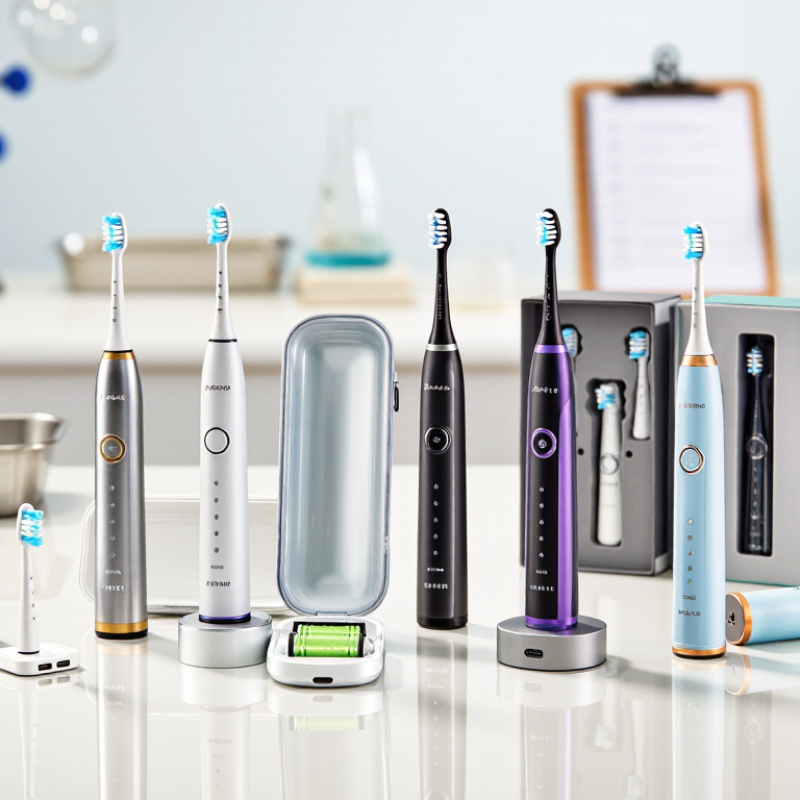
Dr. Nigel Carter OBE, Chief Executive of the Oral Health Foundation, once put it this way: “An electric toothbrush can be particularly helpful for people with limited movement.” That’s an important point for global buyers looking at user groups, not just retail appeal. China suppliers are increasingly offering app-connected models, travel cases, USB-C charging, and Replaceable Brush Heads Electric Brush designs. But specs can look better on paper than they perform in real life. Independent testing is still a must.
This guide looks at China’s leading Electric Brush suppliers through manufacturing experience, quality systems, customization capacity, certifications, production transparency, and export communication. It also considers the downsides—because no supplier is perfect. Some companies are great at scale but not so flexible on design support. Others can create clever samples but struggle to deliver consistently. Responsible sourcing starts with evidence, not promises.
A top Electric Brush supplier in China is defined by verified capability, not a polished catalogue. Experienced teams can explain motor torque, battery protection, bristle materials, and noise targets clearly. They should provide samples matching mass-production specifications. Ask to inspect assembly lines, incoming material records, and final inspection reports. Small details matter: steady vibration, sealed charging ports, clean welds, and packaging that survives a one-meter drop. This is experience you can test.
Professional suppliers use documented quality procedures for every production stage. Their inspection plans should cover dimensions, charging safety, brush performance, surface finish, and water resistance. Test reports must be traceable to the correct model and production batch. A certificate without clear testing evidence is weak evidence. Suppliers should also understand the safety and labeling requirements of the destination market. They need to explain these requirements without vague promises.
Reliable communication is equally important. A capable team shares realistic lead times, tooling details, material changes, and corrective actions. Run a pilot order. Compare the approved sample with delivered units, including battery life and handle balance. No factory is perfect. Even a strong supplier may show uneven packaging or delayed replies during busy seasons. The important point is whether they record the problem, accept questions, and improve the process with measurable evidence. Regular factory audits and written quality agreements can make that improvement easier to verify.
Chinese suppliers offer several electric brush types for global buyers, each designed for a different daily task. An Electric Spin Brush often combines rotating heads with adjustable speed settings. It suits facial cleansing, body care, or gentle exfoliation. Buyers should check head material, water resistance, battery capacity, and replacement-head availability.
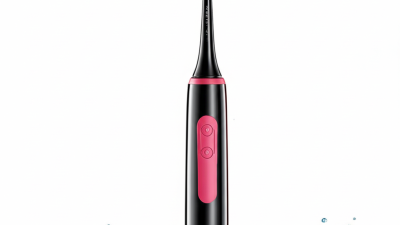
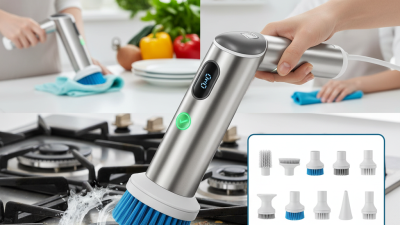
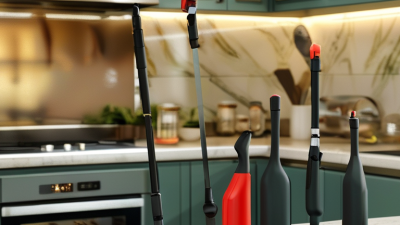
Electric toothbrushes focus on timed vibration, pressure control, and washable handles. Cleaning brushes may include narrow heads for bottles, shoes, kitchen tools, or bathroom surfaces. Some suppliers also produce massage brushes with soft silicone tips. A practical sourcing lesson is simple: similar-looking brushes can perform very differently. Motor noise, grip comfort, charging time, and heat control deserve hands-on testing. Product photos are not enough.
Tips: Request samples from several suppliers. Test the brush on wet and dry surfaces. Measure charging time and operating noise. Ask for material details, user instructions, packaging specifications, and relevant test reports. Confirm whether spare heads remain available after the first order. I have seen buyers overlook this point. It later creates avoidable service problems. Small details matter. Start with a clear sample checklist, then compare results under identical conditions.
The chart compares typical rechargeable battery voltage levels commonly used across major electric brush categories. Actual specifications vary by product design, motor, battery configuration, and application. The figures represent common product configurations rather than any individual company or brand.
Selecting top electric brush suppliers requires more than comparing prices or factory photos. Product quality starts with measurable controls. Check whether the supplier follows ISO 9001 procedures for design, purchasing, production, and corrective action. ISO’s latest Survey reports more than one million ISO 9001 certificates worldwide, but certification alone proves little about one specific product line.
Request test records for motor speed, noise, charging temperature, battery cycle life, water resistance, and bristle retention. For household electrical safety, suppliers should explain their testing against applicable IEC 60335 requirements. Ask for material declarations covering restricted substances, plus batch inspection reports and traceable lot numbers. During a factory visit, I would watch calibration checks, adhesive curing, and final cleaning. Small details often reveal weak process discipline. A polished audit can still miss seasonal worker changes.
Tips: Test samples from three production batches, not one. Confirm the laboratory’s accreditation and report dates. Open several finished units yourself. Look for loose seals, uneven bristles, heat marks, and charging instability. Compare the supplier’s control plan with actual line practice. Also review failure data from warranty returns, even when the supplier seems reluctant. That reluctance is not proof of poor quality, but it deserves a written explanation. In my experience, the most useful evidence is sometimes incomplete, and that is uncomfortable. A buyer should record the uncertainty instead of pretending every risk has disappeared.
China’s electric toothbrush supply base is concentrated in several manufacturing corridors, not one single city. Guangdong, especially Shenzhen and Dongguan, offers strong electronics integration, firmware development, and rechargeable battery assembly. Zhejiang supports plastic molding, packaging, and cost-sensitive mass production. Jiangsu also contributes motor, charging, and small-appliance component suppliers. The map is not perfectly clean.
Grand View Research estimated the global electric toothbrush market at over USD 3 billion in 2023, with continued growth driven by smart functions and replacement demand. This expansion explains why Chinese suppliers increasingly offer complete development services, including brush-head tooling, waterproof testing, battery protection, and app connectivity. In supplier meetings, buyers should inspect production lines rather than rely on catalog claims. A working sample can hide weak sealing or inconsistent vibration strength.
Supplier capabilities vary sharply within the same region. Larger factories may operate automated assembly lines and maintain ISO 9001 systems, while smaller workshops often depend on outsourced motors or molded parts. The China Household Electrical Appliances Association has repeatedly highlighted quality control and intelligent manufacturing as industry priorities. Still, certification alone is not proof of stable output. Ask for recent inspection records, aging-test results, IP testing evidence, and measurable noise data. One overlooked detail matters: replacement brush heads must fit consistently after repeated installation. Many sourcing plans underestimate this issue. That assumption deserves another review.
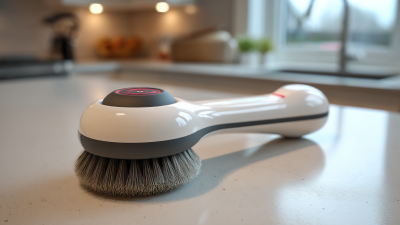
Global buyers seeking China’s top electric brush suppliers often need more than a standard catalog product. Reliable manufacturers support OEM projects with stable components, clear drawings, and controlled production steps. A buyer may specify motor strength, handle texture, charging method, noise level, and packaging size. This detail matters. For a Home Electric Brush, suppliers should also explain cleaning performance, operating time, and maintenance requirements.
ODM services can shorten development time when a buyer lacks a complete design. Experienced teams may provide housing concepts, internal layouts, color options, and functional prototypes. Customization can include private packaging, user manuals, brush heads, charging bases, and retail-ready cartons. Sample testing should happen before tooling approval. A first sample may still feel too heavy or produce uneven vibration. That is normal, but it needs correction.
Professional suppliers should document material specifications, inspection points, and batch records. Quality checks may cover charging safety, waterproof performance, motor consistency, surface defects, and drop resistance. For international sales, buyers should confirm applicable electrical, chemical, labeling, and recycling requirements in each target market. Certificates alone are not enough. Test reports must match the final product and production site. Clear communication also reduces costly changes. Some suppliers promise every feature too quickly. Careful buyers should request samples, production photos, tolerance data, and realistic lead times before signing an order.
Choosing reliable Chinese electric brush suppliers requires more than comparing catalog prices. For a Floor Brush Electric model, pricing depends on motor power, battery capacity, brush material, packaging, and testing. Request a tiered quotation for 100, 500, and 1,000 units. Confirm whether chargers, spare heads, export cartons, and inspections are included. A cheaper offer may become expensive after these additions.
Minimum order quantities often begin at a few hundred pieces, but customized colors or packaging can raise the MOQ. Ask about sample fees and whether they are refundable after a confirmed order. International shipping also needs careful calculation. Sea freight suits larger orders, while air freight works better for urgent samples. Battery products may require special transport documents and approved packaging. Confirm the shipping term, destination charges, insurance, and customs responsibilities in writing.
Tips: Compare landed cost, not unit price. Check a physical sample before placing bulk orders. Ask for production photos and a pre-shipment inspection report. Keep payment stages clear. A sample can look excellent, yet minor bulk variations may appear. That risk is easy to underestimate. Even experienced buyers should leave room for delays, currency changes, and imperfect packaging estimates.
Choosing China’s top electric brush suppliers requires more than comparing online rankings. A reliable supplier should show real production experience, clear quality procedures, and consistent export communication. Ask for factory videos, product samples, material specifications, and recent test reports. A clean sample means little if mass production changes the motor, battery, or brush head.
Check whether the supplier can explain each manufacturing step. Pay attention to assembly controls, waterproof testing, charging safety, packaging strength, and final inspection records. Request samples from different production batches when possible. Compare noise, vibration, charging time, and switch performance. Also confirm minimum order quantities, lead times, replacement policies, and after-sales support in writing. Some suppliers answer quickly but provide vague documents. That is a warning sign. I have found that small details often expose larger problems, although this method is not perfect.
Tips: Start with a small trial order. Use an independent inspection when the order value is significant. Verify certificates with the issuing organization, not only with a sales contact. Keep approved samples and signed specifications for future comparison. Ask difficult questions early. A dependable supplier will discuss weaknesses openly, instead of promising everything.
Verified production capability matters more than an attractive catalogue. The supplier should explain motor torque, battery protection, bristle materials, and noise targets clearly. Ask to inspect assembly lines and final inspection records. No supplier is perfect.
Check vibration consistency, charging-port sealing, weld cleanliness, and handle balance. Packaging should survive a one-meter drop. Inspection plans should cover charging safety, dimensions, brush performance, surface finish, and water resistance. Small defects can become expensive later.
Test reports should match the correct model and production batch. They must be traceable and supported by clear testing evidence. A certificate alone proves little. That is easy to overlook.
Yes, request samples matching mass-production specifications. Compare battery life, vibration, handle balance, packaging, and surface finish. Run a pilot order before committing to large quantities. A perfect sample can still hide bulk variations.
Motor power, battery capacity, brush material, packaging, and testing affect the final price. Request quotations for 100, 500, and 1,000 units. Confirm chargers, spare heads, export cartons, and inspections. The lowest unit price may not be cheapest.
Basic orders may start at several hundred pieces. Custom colors or packaging can increase the minimum order quantity. Ask about sample fees and possible refunds after a confirmed order. Custom details need careful calculation.
Compare total landed cost, not only the factory price. Confirm shipping terms, destination charges, insurance, customs responsibilities, and approved battery packaging. Sea freight suits larger orders. Air freight suits urgent samples.
Reliable teams share realistic lead times, tooling details, material changes, and corrective actions. Ask for production photos and pre-shipment inspection reports. Written quality agreements and regular factory audits improve accountability. Delayed replies may signal pressure, not failure. Still, document everything.
China has become a major sourcing destination for global buyers seeking reliable Electric Brush products, including cleaning brushes, polishing tools, grooming devices, and other specialized applications. A top supplier is defined not only by competitive pricing, but also by consistent product quality, stable production capacity, responsible material selection, and effective quality-control systems. Buyers should evaluate certifications, testing procedures, factory experience, production equipment, and customer support before making a decision. Key manufacturing regions in China offer different advantages, from mature supply chains to flexible customization capabilities.
Chinese suppliers may provide OEM, ODM, packaging design, branding support, and tailored product development for different markets. When comparing suppliers, buyers should carefully review minimum order quantities, sample policies, payment terms, lead times, shipping options, and after-sales service. A reliable sourcing process should include factory verification, clear technical specifications, quality inspections, and written agreements. By balancing product performance, customization, total cost, and communication efficiency, global buyers can select a dependable Electric Brush supplier suited to their long-term business needs.