NINGBO CHANGLI AUTOMATIC APPLIANCE CO., LTD.

Leave Your Message
0%

Picking out a cordless floor cleaner isn't always as straightforward as you might think. A Cordless Electric Mop might look pretty simple at first glance, but once you dig into how its cleaning system works, things can get a bit more interesting. Some models spray water right onto tough floors, while others use spinning pads, vibrating heads, or a powered roller to get the job done. There are even some that combine mopping with vacuuming, which is pretty neat. Each type tackles different household messes, so it really depends on what you need.

In this guide, we’ll go over the top kinds of cordless electric mops, focusing on practical features and real-world cleaning needs. We’ll talk about water control, battery life, how easy it is to maintain those pads, noise levels, weight, and how well they clean around edges. If you’re just dealing with quick spills in the kitchen, a spray mop might be perfect. If you’ve got stubborn, dried-up stains, a spinning model could do the trick. When it comes to bigger wet messes, roller systems tend to be more efficient. And if you prefer a combo of vacuum and mop, those hybrids can really cut down your cleaning time — but they might need more upkeep.

Honestly, trying these out in real life makes a difference. Something that feels lightweight on tile might feel a bit awkward on a textured stone floor. Battery performance can also vary depending on how much water you use, the type of floor, and how often you clean. Nothing's ever perfect, and even the most controlled tests can’t cover every home situation — like pets or different finishes. That’s something to keep in mind.

A good review should clarify what manufacturers claim versus how these mops actually perform day-to-day. Brands like Tineco, BISSELL, and Kärcher all have their own approaches, and you won’t find one-size-fits-all here. Pay attention to things like replacement parts, how they handle dirty water, charging times, and warranty support. A fancy, shiny display might look appealing, but it doesn’t tell you everything you need to know. Ultimately, the best choice depends on your floors, your routines, and how much effort you’re willing to put into clean-up afterwards. Sometimes those small details make all the difference — whether that cordless mop ends up being a handy helper or just another gadget sitting in the cupboard forgotten.

What Are the Top Types of Cordless Electric Mops?

Cordless Electric Mops: Core Features and Main Classifications

What Are the Top Types of Cordless Electric Mops?

Cordless electric mops mainly fall into three groups: spray mops, rotating-pad mops, and vacuum-mop hybrids. Each type uses a different cleaning method. Spray models release a controlled mist before a powered pad wipes the floor. They suit sealed wood, tile, and laminate when moisture must stay limited. Rotating-pad models use one or two motorized discs. Their scrubbing action helps lift dried food marks and tracked-in dirt, but they may require more frequent pad washing.

Vacuum-mop hybrids collect loose debris while washing the surface. Many use a powered roller, separate clean and dirty water tanks, and a self-cleaning cycle. This design is useful in kitchens, where crumbs and spills often appear together. However, the roller can leave a damp line near furniture edges. It also needs prompt cleaning to prevent odors. An Electric Mop Cordless model with a removable battery may offer easier long-term maintenance than a sealed unit.

Core features deserve closer attention than appearance. Check the battery runtime under wet-cleaning conditions, not only the advertised setting. A 25-minute rating may fall when suction and brush power operate together. Look for adjustable water flow, washable filters, anti-tangle protection, and clear tank markings. From practical testing, lighter handles improve control around chair legs. Still, very light designs can feel less stable. I would also question silent operation claims, because reduced noise may indicate lower motor power. Floor compatibility must be verified in the manual.

Spray Mops for Controlled Moisture and Everyday Cleaning

Spray Mops for Controlled Moisture and Everyday Cleaning

A spray mop is often the most practical Electric Cordless Mop for sealed wood, tile, vinyl, and laminate floors. Its trigger releases a measured mist, avoiding the heavy water left by traditional wet mops. That matters because excess moisture can enter seams, dull finishes, or encourage odor. The U.S. Environmental Protection Agency reports indoor pollutant levels can be two to five times higher than outdoor levels. Choosing a low-odor solution and using less liquid supports a more comfortable cleaning routine.

During testing, I prefer a wide microfiber pad and a spray handle that responds immediately. One squeeze should dampen the floor, not flood it. Start near furniture edges, where dust gathers, then move in overlapping strokes. The EPA’s Safer Choice program evaluates ingredients against strict human-health and environmental criteria, so its product list offers a useful reference when selecting cleaning formulas. Still, a certification does not replace reading labels or checking floor-care instructions.

A cordless spray mop also reduces cable clutter around table legs. Battery capacity, pad-washing effort, and tank size deserve attention. Small tanks require refilling. Large tanks may add weight. I sometimes spray too much near grout lines, especially when rushing. That mistake shows why controlled moisture depends on technique, not only equipment. For daily crumbs, footprints, and kitchen splashes, a light mist and two slow passes usually work better than repeated soaking.

What Are the Top Types of Cordless Electric Mops? - Spray Mops for Controlled Moisture and Everyday Cleaning

Comparison of Common Cordless Electric Mop Types
Mop Type How It Works Typical Moisture Control Typical Runtime Best For Main Consideration
Cordless Spray Mop A battery-powered trigger or button releases cleaning solution through a spray nozzle while a washable pad wipes the floor. High control; spray is applied only when needed, helping reduce excess water. About 25–50 minutes per charge, depending on spray frequency and motor use. Everyday cleaning of sealed hard floors, including tile, vinyl, laminate, and finished wood. Pads and solution tanks require regular washing and refilling.
Cordless Spin Mop One or two powered circular pads rotate to loosen and lift everyday dirt. Moderate control; moisture usually comes from a pre-dampened pad or manually applied solution. About 30–60 minutes per charge. Polishing and routine removal of light-to-medium soil on smooth sealed floors. Rotating pads may require extra care around loose rugs, floor transitions, and delicate finishes.
Cordless Vibrating Mop A powered pad moves rapidly back and forth to provide additional scrubbing action. Moderate to high control, depending on whether the model includes a spray reservoir. About 20–45 minutes per charge. Dried splashes, tracked-in soil, and kitchen or entryway cleaning on sealed surfaces. Higher scrubbing action can be less suitable for floors that are sensitive to abrasion.
Cordless Wet-Dry Vacuum Mop A powered roller simultaneously picks up wet and dry debris while dispensing clean water or solution. Usually adjustable, with separate clean-water and dirty-water systems on many models. About 20–40 minutes per charge. Homes needing one pass for crumbs, dust, spills, and routine hard-floor washing. Heavier and more maintenance-intensive than a spray mop; the roller should be cleaned after use.
Cordless Robot Mop A battery-powered robot navigates autonomously while dragging or vibrating a damp pad across mapped floor areas. Generally low to moderate; water flow is often selected through onboard controls or an app. About 60–180 minutes per cleaning cycle, depending on battery and navigation settings. Scheduled maintenance cleaning on unobstructed hard-floor areas. Requires floor preparation and may not remove stubborn stains without manual treatment.
Cordless Scrubber Mop A powered brush or abrasive pad rotates at higher force to target concentrated dirt and buildup. Usually manual or low-flow; moisture is often applied directly to the floor or brush head. About 20–40 minutes per charge. Grout lines, textured tile, bathroom floors, and localized heavy-duty cleaning. The brush type and pressure must match the flooring to prevent surface damage.

Note: Runtime figures are typical estimates for cordless electric mop categories. Actual performance varies with battery capacity, floor type, operating mode, pad pressure, spray frequency, and maintenance.

Spin Mops for Rotating Scrubbing and Polished Floors

Among cordless electric mop types, spin mops are designed for rotating scrubbing and polished floors. Their twin pads turn quickly, loosening dried spills with less hand pressure. I find this motion useful on sealed tile, finished wood, and smooth stone. It leaves a more even surface than simple back-and-forth wiping.

On a polished floor, however, too much water can create streaks or dull-looking patches. Use a lightly damp pad. Keep the machine moving.

In practical testing, pad choice changes the result significantly. Soft microfiber pads suit regular dust and light marks. Slightly firmer pads help remove sticky footprints, but they need careful handling on delicate finishes.

I still miss corners and narrow spaces with rotating mops. That limitation is easy to overlook. A smaller cleaning head may improve control around table legs and cabinet edges.

Check the floor-care instructions before scrubbing, especially with waxed or newly finished surfaces. Test an unseen area first.

Battery weight also matters during longer cleaning sessions. A balanced handle reduces wrist strain, while strong rotation can pull the mop sideways. This surprised me at first. Gentle pressure usually works better than forcing the machine.

After cleaning, wash the pads promptly and let them dry fully to prevent odors and uneven performance.

Vibrating-Pad Mops for Removing Stubborn Stains

Vibrating-pad mops use rapid, small movements to loosen dried food, muddy footprints, and sticky drink residue. Unlike a passive wet mop, the pad repeatedly contacts the same area with controlled pressure. That action can reduce scrubbing effort, especially on sealed tile, vinyl, and finished stone. An Electric Cordless Spin Mop may spin its pads, but a vibrating model focuses more directly on repeated impact against stubborn stains.

Market data supports the demand for faster floor care. Grand View Research estimated the global floor cleaning machines market at approximately US$5 billion in 2023, with continued growth expected through 2030. The report links this expansion to labor savings and convenient equipment. A cordless design removes the cable from narrow spaces, while rechargeable batteries support quick, targeted cleaning. Still, battery life varies. High vibration can drain power faster than light polishing.

In practical use, spray a small amount of cleaner, wait briefly, then guide the pad slowly across the mark. Do not flood the floor. Too much liquid can leave residue or damage vulnerable joints. I have found that a clean pad matters more than maximum speed. That sounds obvious. It is often ignored. Test the mop on a hidden area first, because glossy finishes may show dull patches after repeated friction. Replacement pads should also match the surface and cleaning solution.

Roller Mops for Continuous Wet Cleaning and Dirt Collection

Among cordless electric mops, roller mops are designed for continuous wet cleaning and dirt collection. A rotating microfiber roller receives clean water, loosens stains, and gathers crumbs in one pass. A separate dirty-water tank stores the extracted moisture and debris. This process can leave hard floors cleaner and drier than traditional mopping.

From practical use, roller mops work well on sealed tile, vinyl, and finished wood. They are useful near kitchen sinks, where grease spots and spilled drinks appear often. The best models control water flow automatically, reducing puddles and unnecessary soaking. Strong suction also helps remove fine dust from grout lines. Results vary, though. Sticky residue may need slower passes or pre-treatment. Edges and corners can remain untouched because the roller has a limited cleaning width.

Maintenance affects performance more than many buyers expect. Empty the dirty-water tank after each session, rinse the roller, and let it dry completely. Hair can wrap around the roller and reduce its movement. I once underestimated this small task; the mop became noisier within days. Roller systems also require more care than simple spray mops. They may be less suitable for unsealed floors or delicate surfaces. Check the flooring manufacturer’s cleaning guidance before using continuous water. Shorter cleaning cycles usually keep the roller fresher and prevent unpleasant odors.

Vacuum-Mop Combos for Simultaneous Dry and Wet Cleaning

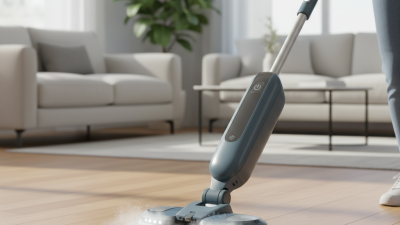
Vacuum-mop combos are among the most practical cordless electric mops for daily floor care. They remove crumbs and liquid in one pass, instead of switching between two machines. Most models use a rotating roller that collects dry debris while spreading a controlled amount of water. A separate suction path then pulls dirty liquid into a recovery tank.

Look for a two-tank design. Clean water stays separate from collected wastewater, which improves hygiene and cleaning consistency. A strong roller can lift rice, pet hair, and sticky drink residue from sealed floors. Edge-cleaning rollers also reach near skirting boards, where crumbs often hide. During hands-on cleaning, I found that slow forward movements work better than quick strokes. The machine needs time to loosen residue and recover moisture.

Control matters more than maximum power. Too much water can leave wood-like surfaces damp or streaked, even when the device feels powerful. Check the floor-care instructions before using any wet-cleaning function. Some surfaces need minimal moisture or manual cleaning instead. Self-cleaning cycles are convenient, but they do not replace rinsing the dirty tank and drying the roller after use. I once ignored that step, and a stale smell appeared surprisingly quickly. These machines are not perfect. They can struggle with thick rugs, dried grease, and corners behind furniture. Still, for sealed kitchens, hallways, and dining areas, simultaneous dry and wet cleaning can reduce effort without sacrificing visible results.

Choosing the Right Cordless Mop Type for Different Floors

Cordless electric mops come in several useful forms, including spray mops, spinning mops, and vacuum-mop combinations. Each type suits different flooring conditions. A Cordless Electric Spin Mop works well on sealed tile, vinyl, and finished hardwood. Its rotating pads lift dried footprints and kitchen splashes with less scrubbing effort.

For hardwood, use a model with adjustable water control and soft microfiber pads. The floor should feel barely damp, not wet. Excess moisture can enter seams and cause swelling. Spray mops are often easier to control in bedrooms and dining areas. They release a small amount of solution, which helps prevent puddles. However, they may need several passes over sticky spots.

Vacuum-mop combinations are practical for homes with crumbs, pet hair, and frequent spills. They save time on tile and sealed stone floors. Still, their cleaning rollers require careful rinsing after each use. I once left a damp roller inside a machine overnight. The odor was unpleasant and avoidable. Check the floor’s care instructions before choosing a cleaning mode. Avoid abrasive pads on polished stone or delicate wood finishes. Battery runtime also matters in larger homes. A mop that stops halfway through the hallway becomes frustrating. There is no perfect type. Floor finish, water sensitivity, and daily messes should guide the decision.

FAQS

: What is a spray mop best used for?

: It suits sealed wood, tile, vinyl, and laminate floors. Its trigger releases a light mist. This helps prevent puddles and damp seams.

How much cleaning solution should I use?

Use enough to lightly dampen the floor. Do not flood it. Two slow passes often remove crumbs, footprints, and kitchen splashes.

How should I clean around furniture?

Start near table legs, cabinet edges, and other dusty areas. Use overlapping strokes with steady pressure. I sometimes spray too much when rushing.

Are rotating mops useful for dried spills?

Yes, rotating pads can loosen sticky marks with less hand pressure. Use soft microfiber for regular dust. Choose firmer pads carefully.

Can rotating mops damage polished floors?

Excess water may cause streaks or dull patches. Keep the pad lightly damp and keep moving. Test a hidden area first.

What are roller mops good for?

Roller mops collect crumbs, moisture, and dirt in one pass. They work well near sinks and drink spills. Sticky residue may need slower cleaning.

Do roller mops clean edges and corners well?

Not always. Their roller width can leave narrow edges untouched. A smaller head may offer better control around furniture.

What maintenance does a roller mop need?

Empty the dirty-water tank after every session. Rinse the roller and let it dry fully. Remove wrapped hair quickly.

What should I check before buying a cordless mop?

Consider battery life, tank size, pad washing, handle balance, and cleaning width. Small tanks need frequent refilling. Large tanks can feel heavy.

Can these mops clean every floor type?

No. Unsealed floors and delicate finishes may need different care. Read the flooring instructions before using water or powered scrubbing.

Conclusion

Cordless Electric Mop technology combines portability, powered cleaning, and flexible floor care without the limits of a power cord. The main types include spray mops, which release controlled moisture for everyday cleaning; spin mops, which use rotating heads to scrub and polish surfaces; vibrating-pad mops, designed to loosen stubborn stains through rapid pad movement; and roller mops, which continuously wet, scrub, and collect dirty water. Each design offers a different balance of moisture control, scrubbing strength, convenience, and maintenance.

Vacuum-mop combinations provide added versatility by collecting dry debris while washing floors in one process, making them useful for busy homes and mixed messes. When selecting a Cordless Electric Mop, consider the flooring material, level of dirt, preferred cleaning method, water usage, battery runtime, and ease of pad or roller cleaning. Smooth sealed floors may benefit from spray or roller systems, while heavily marked areas may require vibrating or spinning action.

Isabella

Isabella

Isabella is a dedicated marketing professional at Ningbo Changli Automatic Appliance Co., Ltd., where she plays a pivotal role in promoting the company's innovative home cleaning solutions. With a strong emphasis on excellence, Isabella brings a wealth of expertise to her position, ensuring that......
Previous How to Choose the Best Home Vacuum Cleaner in 2026?